Animal Rights
What is the Animal Rights check?
An Animal Rights Check identifies whether an individual has been involved in illegal or unethical activities related to animal rights violations. This check reviews public records and databases to uncover any links to campaigns, protests, or actions that could reflect poorly on the individual’s ethical stance.
The purpose of the Animal Rights Check is to help organisations ensure that candidates adhere to ethical standards concerning the treatment of animals. This check is particularly valuable for industries involving animals or those that prioritise corporate responsibility and ethical practices.
By performing Animal Rights Checks, organisations can make more informed decisions, protecting their reputation and aligning with values of animal welfare and ethical responsibility. This process helps mitigate the risk of working with individuals involved in activities that could harm an organisation’s image or operational practices.
Check Coverage
UK and Global
Why Use Access Screening for the Check?
- Setup the check as an automatic system request or request on an ad hoc basis
- Check can be added to your existing workflows
- Allows you to run all your checks from Access Screening
How it Works
Results
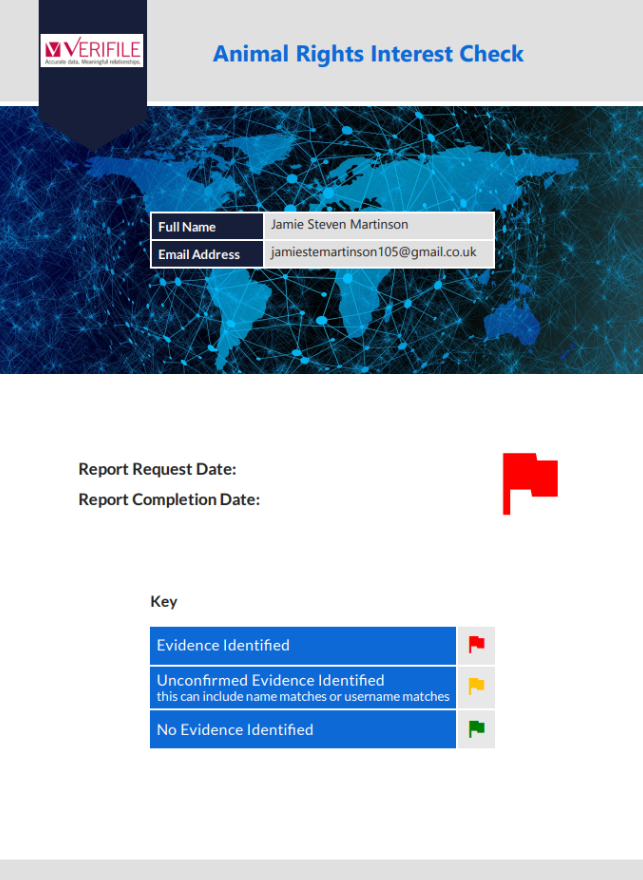
The results will display whether the candidate has any involvement in animal rights activities, categorised as follows:
-
Green Flag: No involvement in illegal or unethical animal rights activities has been identified. The candidate has no records indicating a violation of animal welfare standards.
-
Amber Flag: The candidate has some involvement in animal rights activities, but no illegal or unethical behavior has been confirmed. This could indicate association with controversial campaigns or groups, though there is no direct evidence of wrongdoing. Further investigation may be needed to assess the relevance of the findings.
-
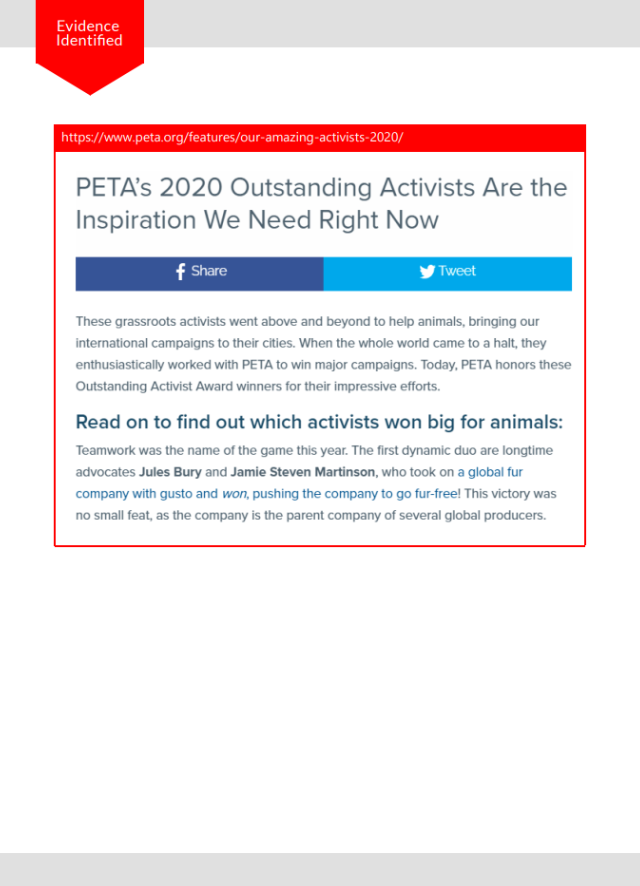
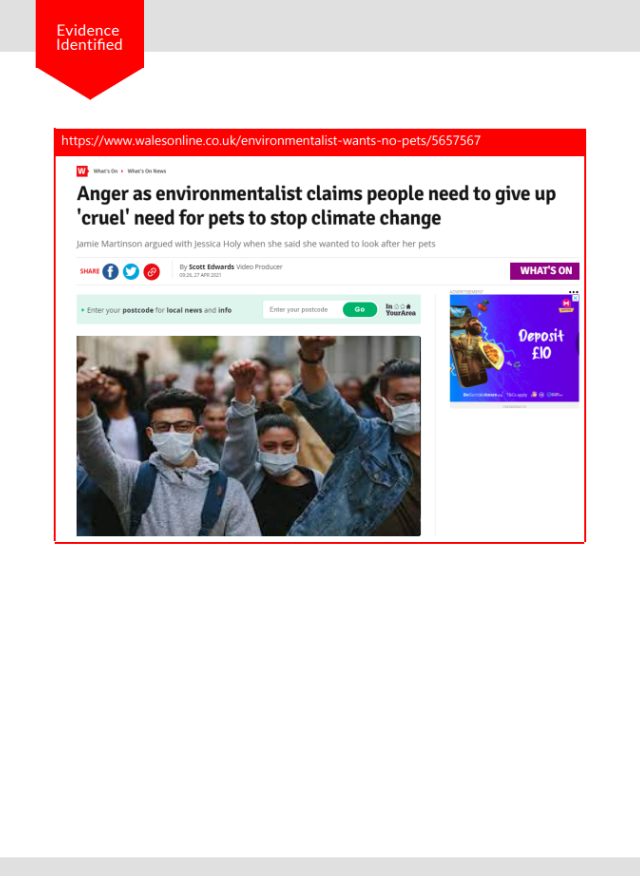
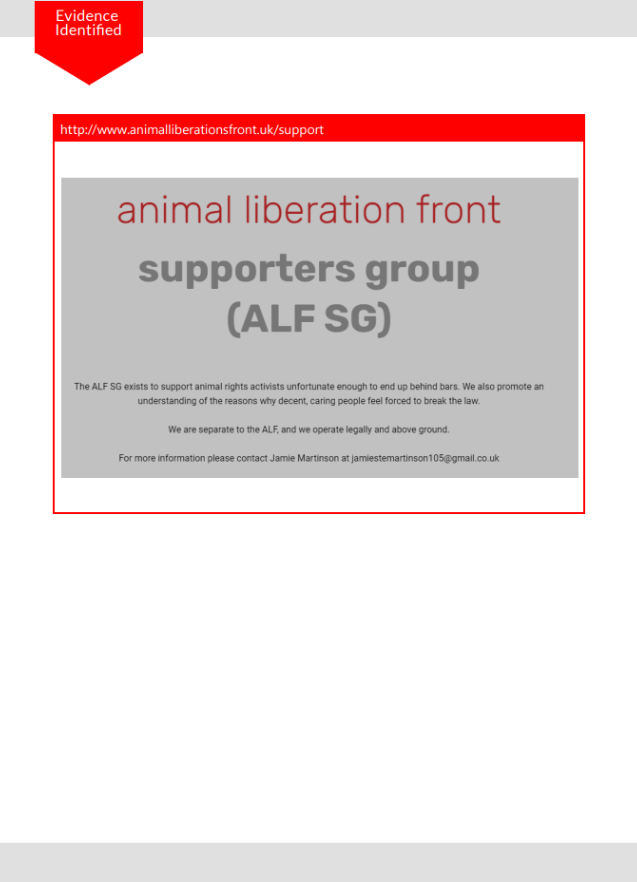
Red Flag: Records show involvement in illegal or unethical activities related to animal rights violations, such as participation in illegal protests or actions that harm animals. Detailed information will be provided, including specific incidents and dates of involvement.
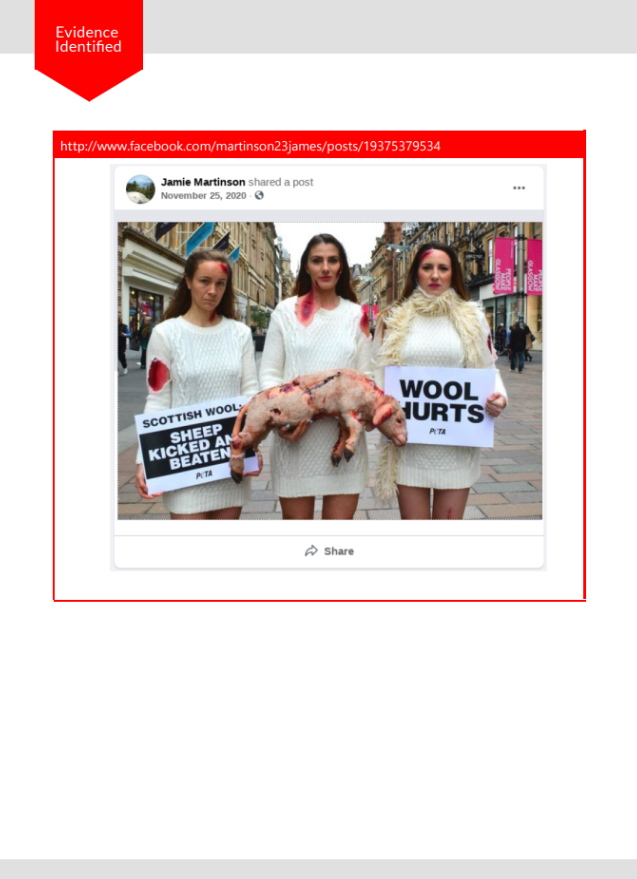
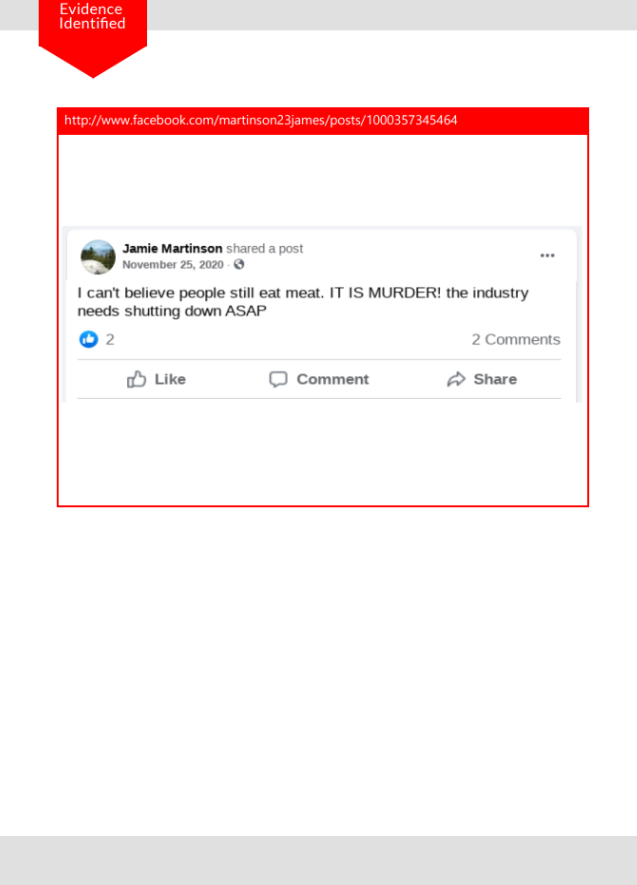
The report may also include supporting details such as public records, references to protests, or actions reflecting the individual’s stance on animal rights.